Not a single one of my friends, family, or former clients would omit "Foodie" from a top 3 descriptor of me, Cameron Keegan. It's not uncommon for me to get a text from clients from years past, ,

Dated: February 14 2025
Views: 1623
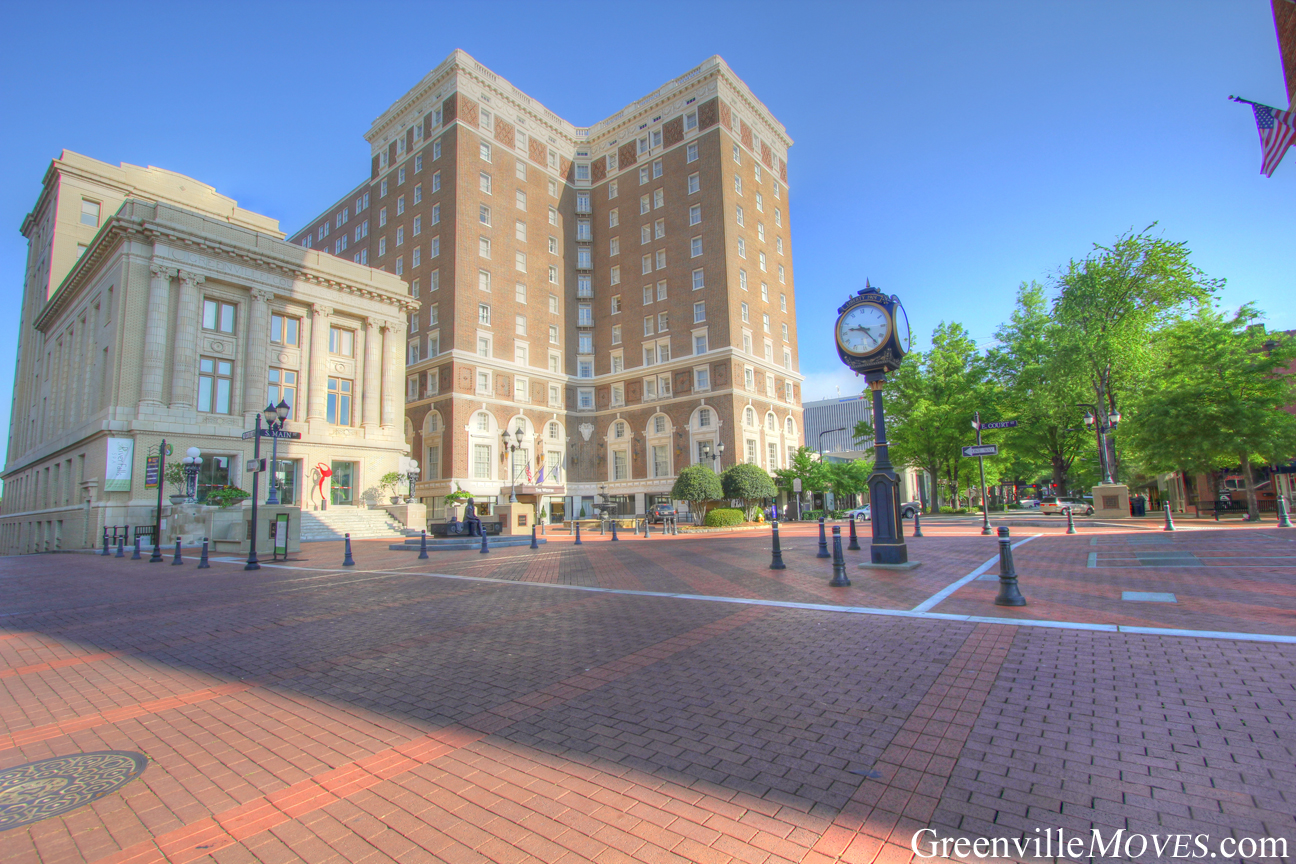 Greenville, South Carolina, has been gaining recognition for its vibrant downtown, beautiful scenery, and growing job market. But as the city's popularity rises, so do questions about its affordability. How does Greenville's cost of living compare to other similarly sized cities across the United States? Let's dive in and explore the key factors.
It's important to remember that "cost of living" is a complex calculation. It encompasses everything from housing and transportation to groceries and healthcare. A direct comparison can be tricky, as individual spending habits and lifestyle choices play a significant role. However, we can look at some key indicators to get a general understanding.
Housing: This is often the biggest expense for most households. Greenville's housing market has seen considerable growth in recent years. While still generally more affordable than major metropolitan areas on the coasts, it's essential to compare specific neighborhoods and types of housing. Cities like Chattanooga, TN, or Asheville, NC, you must consider all factors such as property taxes, which are far lower in Greenville compared to Asheville. Other areas, like Charleston, SC, or Raleigh, NC, could be significantly more expensive. Consider factors like proximity to downtown, school districts, and access to amenities when evaluating housing costs.
Transportation: Gas prices fluctuate, but generally, the Southeast tends to have slightly lower fuel costs than other parts of the country. As of this writing, you can find gas in the Upstate for as low as $2.47/gal versus the current national average of $3.15/gal. Greenville's reliance on cars means transportation costs also include vehicle maintenance, insurance, and potentially parking. Compared to cities with robust public transportation systems, like some in the Northeast or on the West Coast, Greenville residents might spend a larger portion of their budget on car-related expenses. However, compared to other similarly sized Southern cities, transportation costs are likely to be fairly average.
 Groceries and Everyday Expenses: The cost of groceries and everyday goods is often relatively consistent across the Southeast, and is sometime a direct reflection of our lower overall transportation costs. Greenville likely aligns with the national average for these expenses. However, the grocery taxes in our market are lower than many areas. Farmers' markets and local produce can sometimes offer savings, and you will find plenty of farmer's markets around the Upstate from March through October, and even some yearround.
Healthcare: Healthcare costs are a significant factor in any cost of living comparison. Greenville's healthcare expenses may be comparable to the national average, but individual needs and insurance coverage play a huge role. Researching healthcare providers and insurance options is crucial for understanding potential costs.
Utilities: Utility costs, including electricity, water, and gas, can vary depending on the climate and the efficiency of housing. Greenville's climate with hot summers and mild winters might lead to moderate utility bills. Compared to cities with more extreme temperatures, Greenville residents might find their utility expenses to be relatively manageable. Overall, our electric and water rates are far lower than the national average.
 Entertainment and Leisure: This category is highly personal. Greenville, SC boasts a growing food scene and various entertainment options, from live music venues to outdoor activities. While entertainment can be a significant expense, it's also a matter of personal preference. Compared to larger, more expensive cities, Greenville likely offers a more affordable range of entertainment options.
Overall:
Greenville offers a good balance of affordability and amenities. While its cost of living is rising, it remains generally more affordable than many major metropolitan areas in the US. When comparing Greenville to other similarly sized cities, it's crucial to consider specific needs and priorities. Some cities might be cheaper in certain areas, while Greenville might offer advantages in others. I can tell you from personal experience, that the overall cost of living in Greenville has been far lower than my experience than other states I've lived in. If you have more questions, feel free to contact me!

I have been a Realtor in the Greater Greenville area since 2003, but previously lived in Michigan, Connecticut, Maryland, Wisconsin, and Pennsylania so I've definitely done my fair share of moving! I ....
Not a single one of my friends, family, or former clients would omit "Foodie" from a top 3 descriptor of me, Cameron Keegan. It's not uncommon for me to get a text from clients from years past, ,
Greenville, South Carolina's restaurant scene is one of the most dynamic and rapidly evolving in the Southeast. New dining concepts are constantly opening across downtown Greenville, the West End,
Over the past decade, Greenville, South Carolina has emerged as one of the top relocation destinations in the United States. People are moving here from major cities like New York, Chicago, Los
Buying your first home is one of the most exciting — and sometimes overwhelming — milestones in life. As a Greenville, SC real estate agent, I hear the same questions from first-time
 © 2026 The data relating to real estate for sale on this web site comes in part from the Western Upstate Association of REALTORS®, Inc. or Western Upstate Multiple Lisitngs Services of South Carolina, Inc. This information is deemed reliable, but not guaranteed. Neither, the Western Upstate Association of REALTORS®, Inc. or Western Upstate Multiple Listing Service of South Carolina, Inc., nor the listing broker, nor their agents or subagents are responsible for the accuracy of the information.
The buyer is responsible for verifying all information. This information is provided by the Western Upstate Association of REALTORS®, Inc. and Western Upstate Multiple Listing Service of South Carolina, Inc. for use by its members and is not intended for the use for any other purpose. The data relating to real estate for sale on this Web site comes in part from the Broker Reciprocity Program of the Western Upstate Association of REALTORS®, Inc. and the Western Upstate Multiple Listing Service, Inc.
Show More...
© 2026 The data relating to real estate for sale on this web site comes in part from the Western Upstate Association of REALTORS®, Inc. or Western Upstate Multiple Lisitngs Services of South Carolina, Inc. This information is deemed reliable, but not guaranteed. Neither, the Western Upstate Association of REALTORS®, Inc. or Western Upstate Multiple Listing Service of South Carolina, Inc., nor the listing broker, nor their agents or subagents are responsible for the accuracy of the information.
The buyer is responsible for verifying all information. This information is provided by the Western Upstate Association of REALTORS®, Inc. and Western Upstate Multiple Listing Service of South Carolina, Inc. for use by its members and is not intended for the use for any other purpose. The data relating to real estate for sale on this Web site comes in part from the Broker Reciprocity Program of the Western Upstate Association of REALTORS®, Inc. and the Western Upstate Multiple Listing Service, Inc.
Show More...
 Information deemed reliable but not guaranteed.
Property information provided courtesy of the Internet Exchange Program of the Greenville Association of Realtors.
The information being provided is for consumers personal, non-commercial use and may not be used for any purpose other than to identify prospective properties consumers may be interested in purchasing.
Data is updated as of September 21, 2026 8:29 PM UTC
Information deemed reliable but not guaranteed.
Property information provided courtesy of the Internet Exchange Program of the Greenville Association of Realtors.
The information being provided is for consumers personal, non-commercial use and may not be used for any purpose other than to identify prospective properties consumers may be interested in purchasing.
Data is updated as of September 21, 2026 8:29 PM UTC
 Spartanburg Association of REALTORS® All information deemed reliable but not guaranteed. All properties are subject to prior sale, change or withdrawal. Neither listing broker(s) or information provider(s) shall be responsible for any typographical errors, misinformation, misprints and shall be held totally harmless. Listing(s) information is provided for consumer's personal, non-commercial use and may not be used for any purpose other than to identify prospective properties consumers may be
interested in purchasing. The data relating to real estate for sale on this website comes in part from the Internet Data Exchange program of the Multiple Listing Service. Real estate listings held by brokerage firms other than REMAX Moves may be marked with the Internet Data Exchange logo and detailed information about those properties will include the name of the listing broker(s) when required by the MLS. Copyright ©2026 All rights reserved.
Last Updated: September 21, 2026 8:15 PM UTC
Show More...
Spartanburg Association of REALTORS® All information deemed reliable but not guaranteed. All properties are subject to prior sale, change or withdrawal. Neither listing broker(s) or information provider(s) shall be responsible for any typographical errors, misinformation, misprints and shall be held totally harmless. Listing(s) information is provided for consumer's personal, non-commercial use and may not be used for any purpose other than to identify prospective properties consumers may be
interested in purchasing. The data relating to real estate for sale on this website comes in part from the Internet Data Exchange program of the Multiple Listing Service. Real estate listings held by brokerage firms other than REMAX Moves may be marked with the Internet Data Exchange logo and detailed information about those properties will include the name of the listing broker(s) when required by the MLS. Copyright ©2026 All rights reserved.
Last Updated: September 21, 2026 8:15 PM UTC
Show More...
